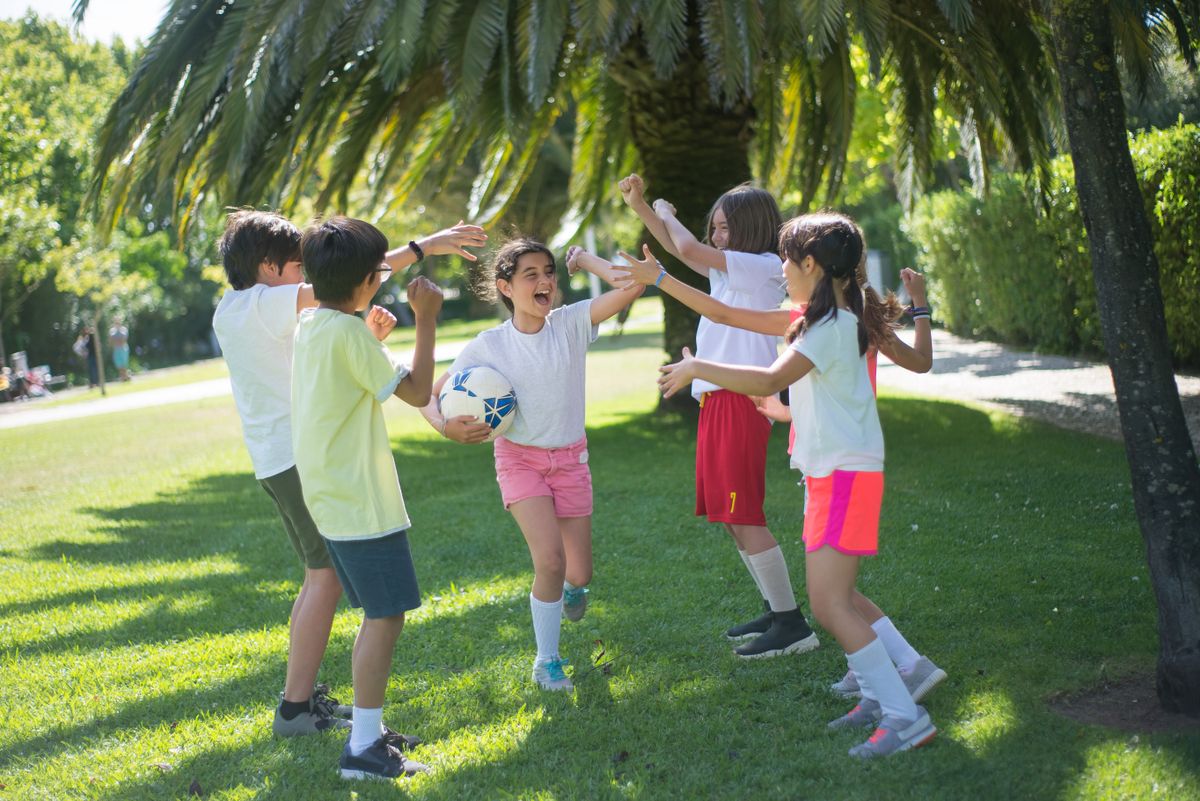
A young child playing soccer outdoors in a sunny park
A LIFE-STAGE READ ON SPORT

Sport meets us at every age

It starts as a game in a park before a child can tie their own shoes, and it ends up, decades later, as the reason someone still walks every morning. This is a look at why sport keeps showing up across a life, and what it quietly teaches at each stage.

Opening A short essay before the stage-by-stage notes below.

Most of the things we're taught as children don't survive contact with adulthood. Sport is one of the rare exceptions. The kid chasing a ball across a park lawn and the retiree power-walking around the same park forty years later are doing something recognizably similar — moving the body for its own sake, with other people, for no reason beyond how it feels.

What changes isn't the activity so much as what it's asked to do for us. In childhood, sport teaches coordination and rules. In adolescence, it teaches belonging and losing gracefully. In adulthood, it becomes one of the few places left where effort still produces a visible, immediate result. And later in life, it becomes something closer to maintenance — a way of staying capable, connected, and in your own body.

Below is a walk through five points along that arc: childhood, the team years, the mentors who shape it, the community it builds, and the return to simple movement later in life.

THROUGH A LIFE

Five moments sport shows up

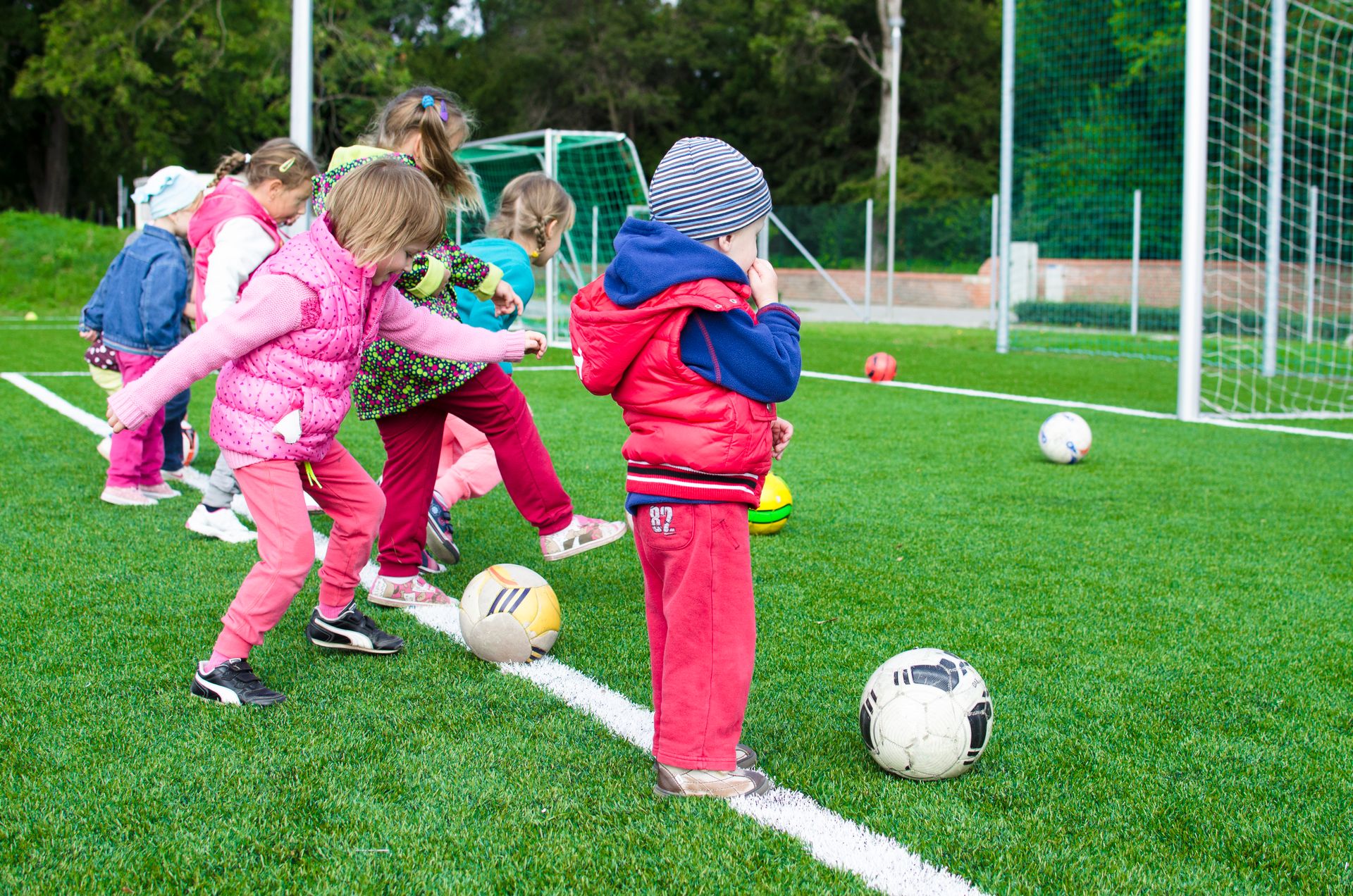
Group of happy children playing football together in a sunny park
CHILDHOOD
Where it starts

Learning the body, then the rules

Long before a child understands offside or double dribbles, sport teaches something more basic: how their own body moves through space, and what happens when it collides with someone else's.

The rules come second, and they arrive as a small revelation — that a game only works if everyone agrees to the same boundaries, and that winning inside those boundaries means more than winning without them.
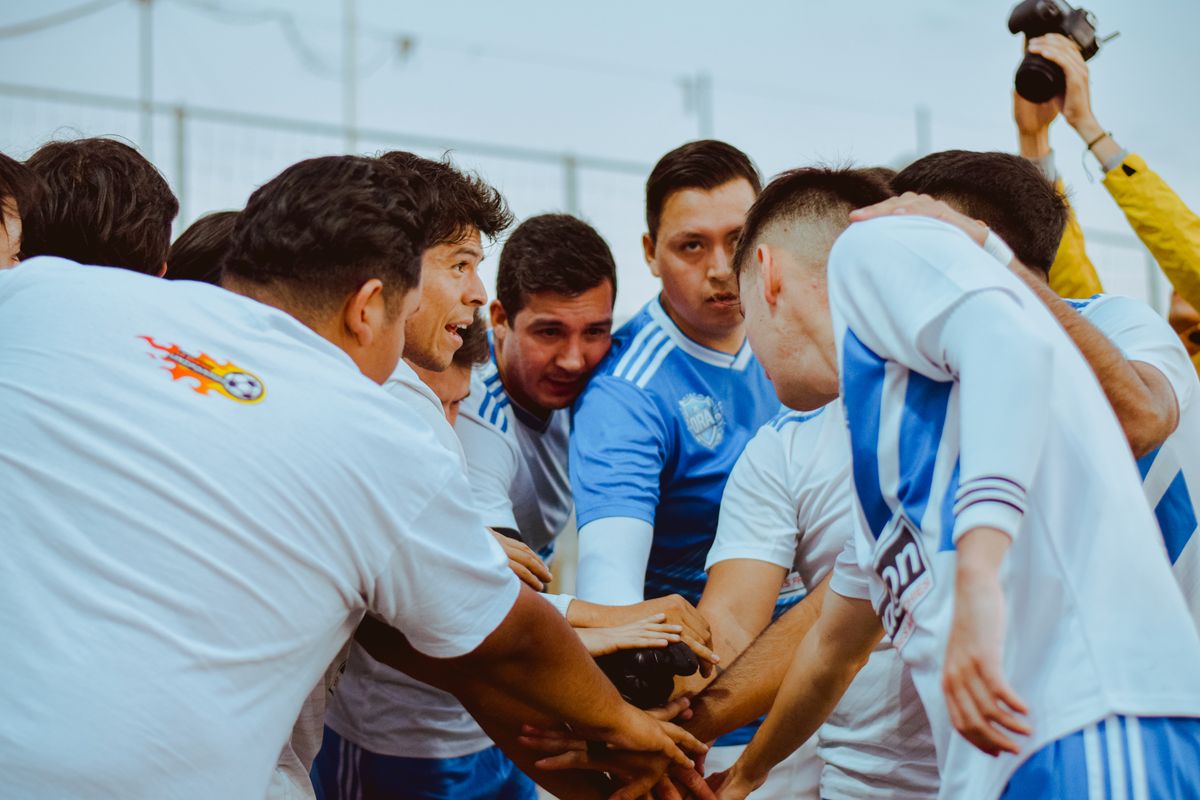
A youth sports team gathered in a pre-game huddle
THE TEAM YEARS
Where belonging is tested

Being counted on, and counting on others

Adolescence is when sport stops being purely individual. A missed pass now costs a teammate something, and a good pass earns trust that has to be built again the next week.

It's an early, low-stakes rehearsal for every group project and workplace team a person will join afterward — the first place many people learn what it means to be reliably good for someone else.

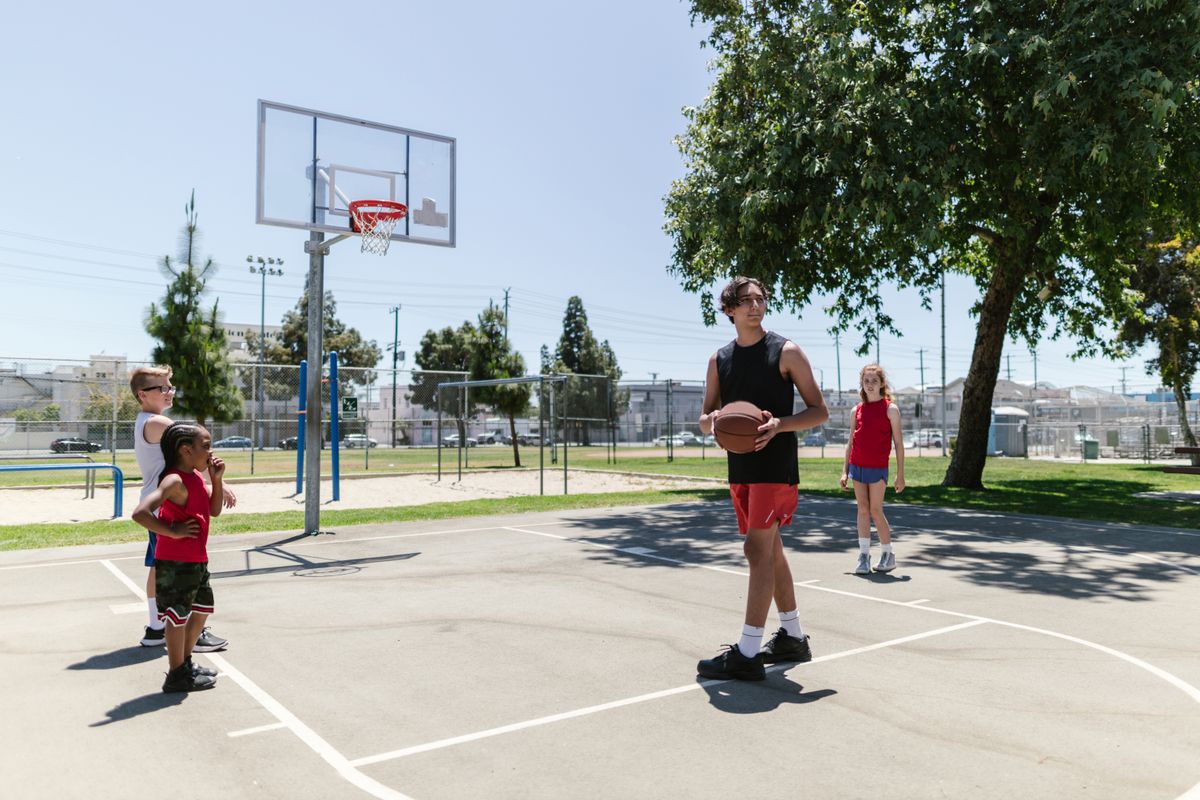
A coach working with a group of young basketball players outdoors
MENTORSHIP
Where someone shows up for you

The coach who isn't a parent or a teacher

A good coach occupies a strange, useful space in a young person's life — an adult who isn't family and isn't grading you, but who still shows up every week expecting your best effort.

Many people can name a coach who told them something true about themselves years before they were ready to hear it from anyone else.

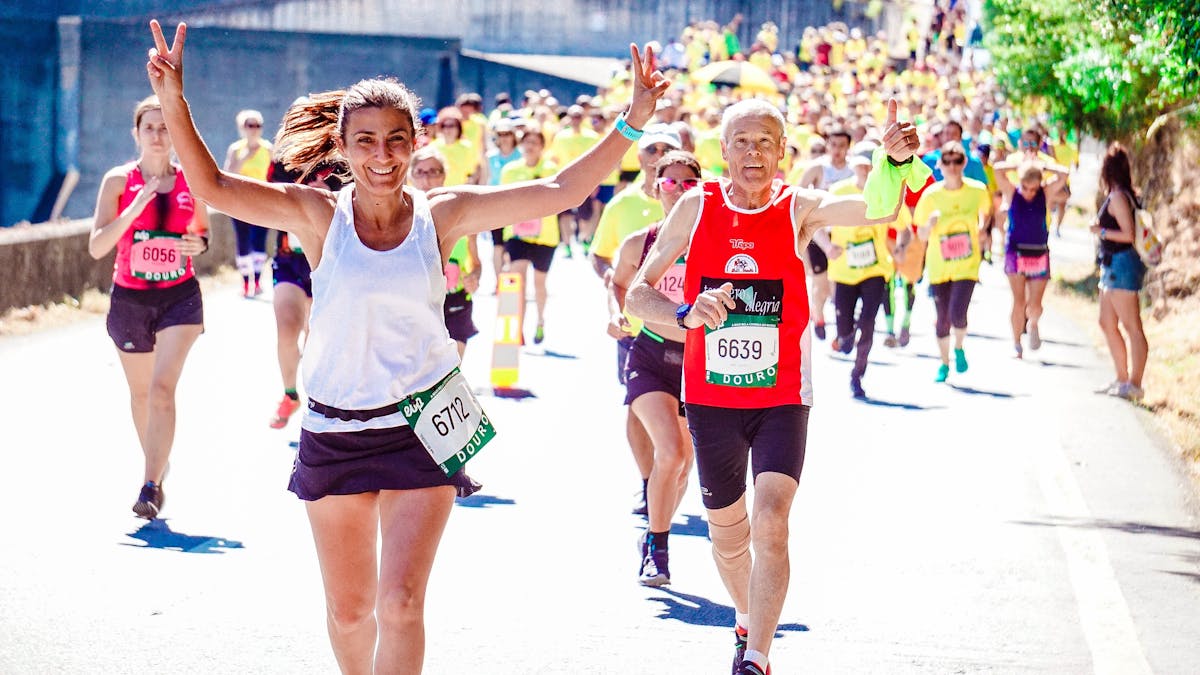
A diverse group of runners participating together in a community marathon
COMMUNITY
Where strangers become a crowd

The race everyone runs alone, together

A city marathon is a strange kind of gathering — thousands of people running an individual, deeply personal effort, side by side with total strangers who are cheering for them anyway.

Adult sport rarely comes with the built-in social structure of a school team, so people build their own: running clubs, weekend leagues, gym partners. The need for it doesn't go away, only the shape changes.

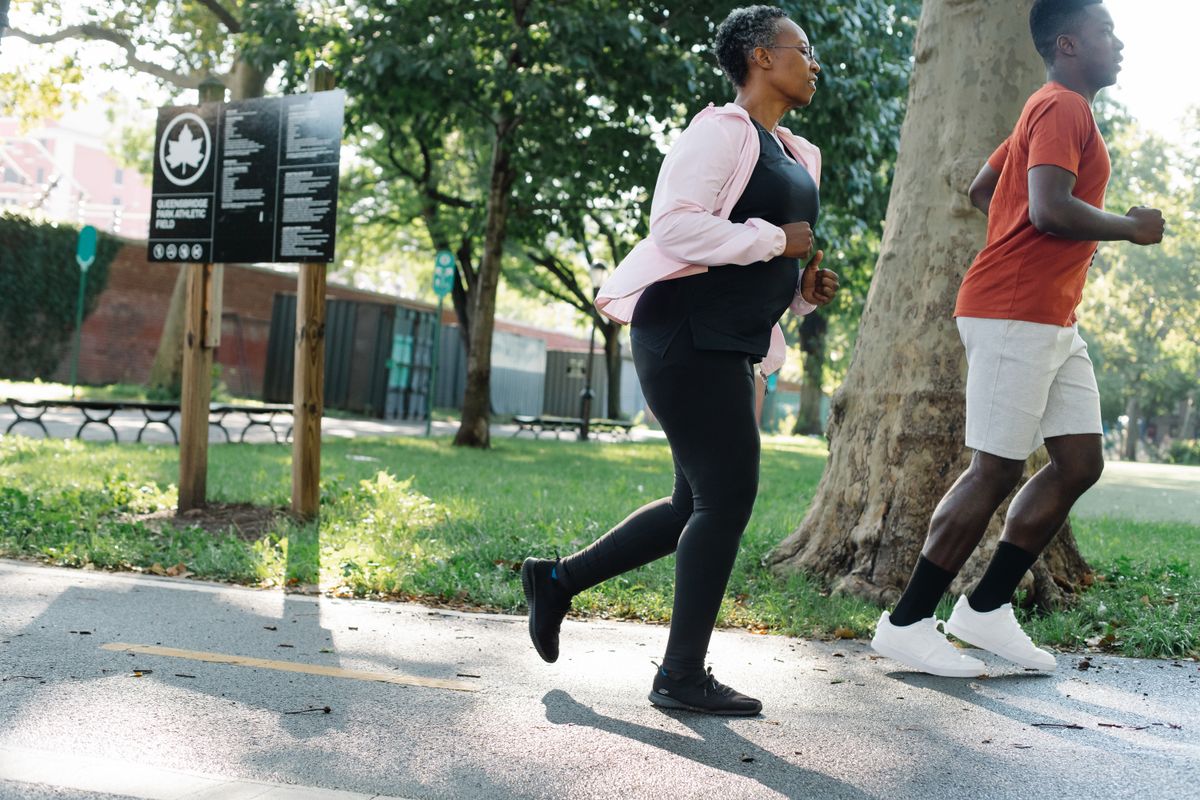
A young man and an elderly woman jogging together in a park
LATER LIFE
Where it becomes maintenance

Staying capable, on purpose

Later in life, sport quietly changes jobs again. It's less about competition now and more about keeping the body able to do ordinary things — climb stairs, carry groceries, get up off the floor without thinking about it.

The people who keep some form of movement in their routine well into older age tend to hold onto independence longer, which may be the most practical argument for sport at any stage of life.

WHAT IT TEACHES

Three lessons that outlast the game

01

How to lose without breaking

Sport is one of the few arenas where failure is immediate, public, and survivable — a low-stakes way to practice getting back up before life asks you to do it for real.

02

How to show up for others

A team only works if people can be relied on. That habit, once built on a field or a court, tends to carry into every group a person joins afterward.

03

How to be present in your body

A game demands full attention in a way few other activities do. For an hour, there's no room for anything except the next play — which is its own kind of rest.

3.5M
Deaths estimated to be prevented each year by adequate physical activity, per WHO figures
60%
Roughly the share of the world's population not meeting recommended activity levels
150
Minutes of moderate activity recommended weekly for most adults by health authorities
All ages
The range across which organized sport and play show measurable benefits
"We don't outgrow the need to play. We just find quieter, slower ways to keep doing it." — A working observation, not attributed to any one voice
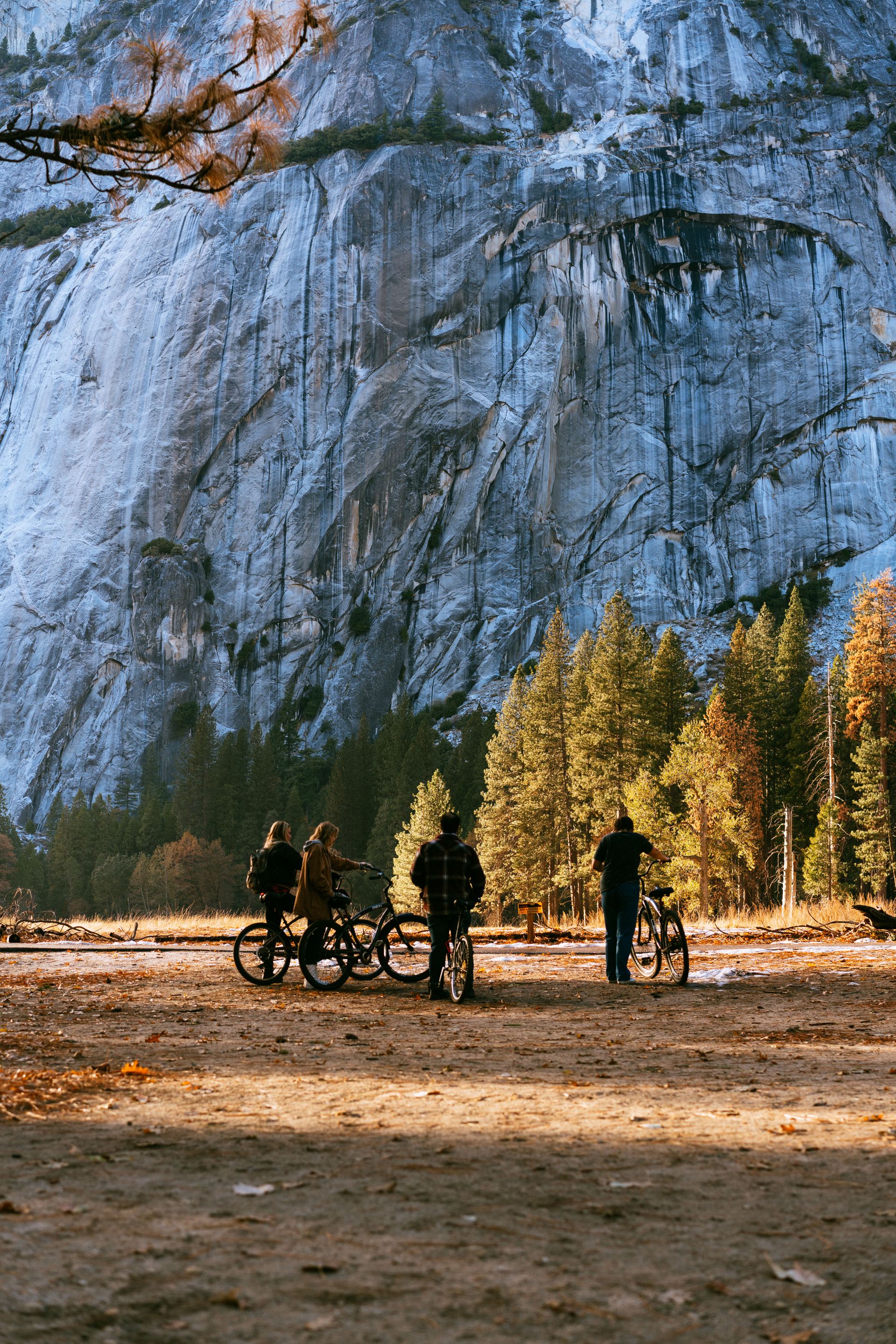
A group of friends riding bicycles together outdoors

Whatever stage of life it finds you in, sport asks the same simple thing: show up, move, and see what happens.